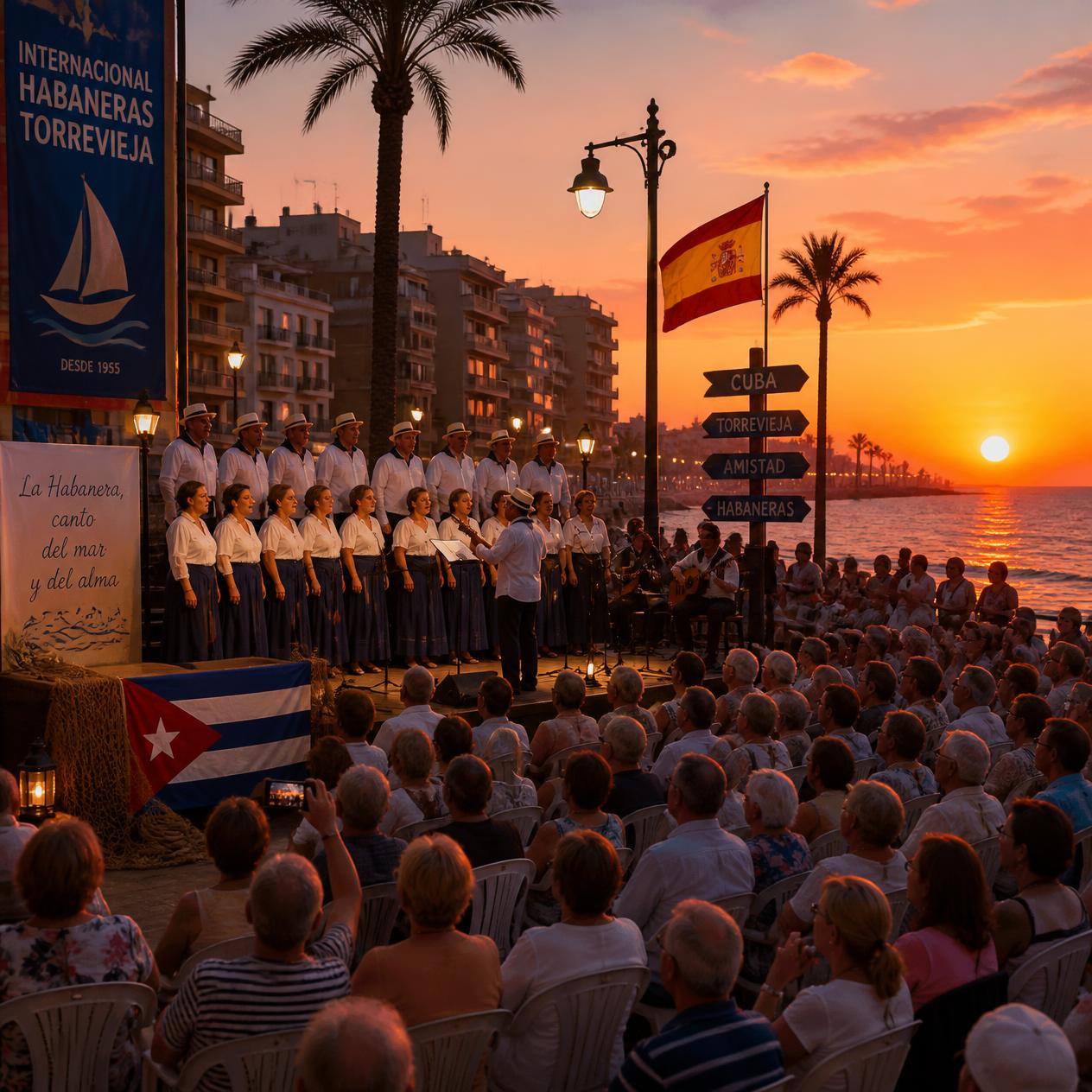
Things to Do in Torrevieja
The Complete Guide (2026)
Torrevieja is one of the most underrated destinations on the Costa Blanca. Most visitors come for the beaches and stay for the salt lakes, the Friday market, the habaneras music, and the surprisingly good food scene. Whether you’re visiting for a week or you’ve just moved here, this guide covers the best things to do in Torrevieja — from the obvious to the ones only locals know about.
1. Visit the Pink Lake (Laguna Rosa)
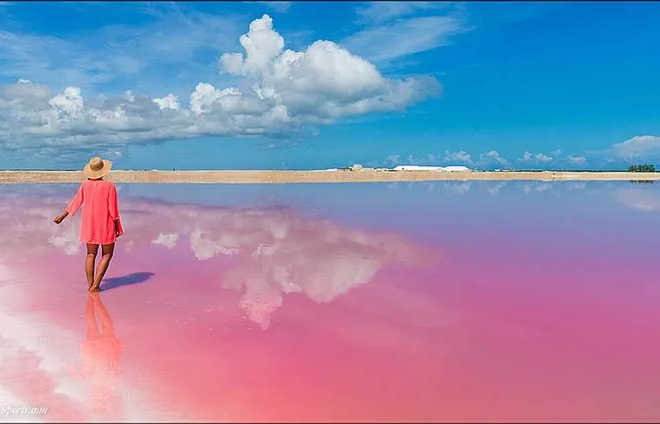
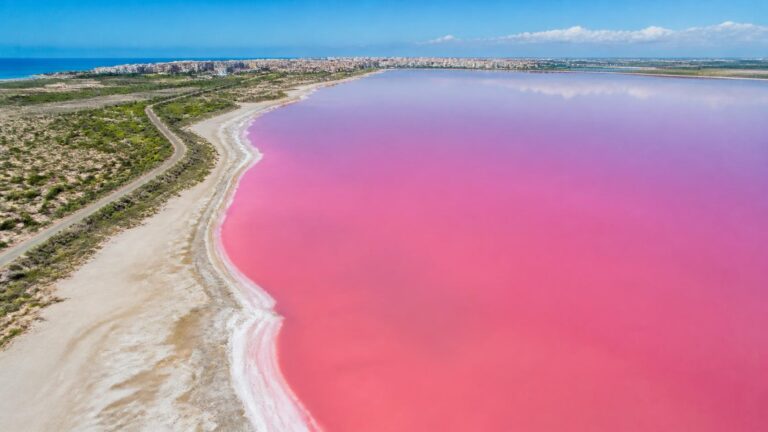
The most iconic sight in Torrevieja is the pink lake — a vast salt lagoon that turns vivid shades of pink and red thanks to a salt-loving algae called Dunaliella salina. It sits right next to the city and is visible from several points along the N-332 road. Entry is free and the main viewpoint is open at all times.
The best time to see the lake at its most vivid is between August and October. Early morning light makes for spectacular photography. Flamingos are regularly spotted here, particularly in spring and autumn.
👉 Full guide to the pink lake →
2. Explore Las Salinas Natural Park
The pink lake forms part of the Parque Natural de las Lagunas de la Mata y Torrevieja, a protected natural park covering over 3,700 hectares. The park includes a second lagoon — La Mata — to the north, connected by a canal, and a network of flat walking and cycling trails that are suitable for all fitness levels.
Wildlife highlights include flamingos, avocets, herons, chameleons, and dozens of migratory bird species. The park visitor centre at La Mata is free to enter and gives excellent context before heading out on the trails. Allow 2–3 hours for a proper visit.
3. Spend a Day at the Beaches
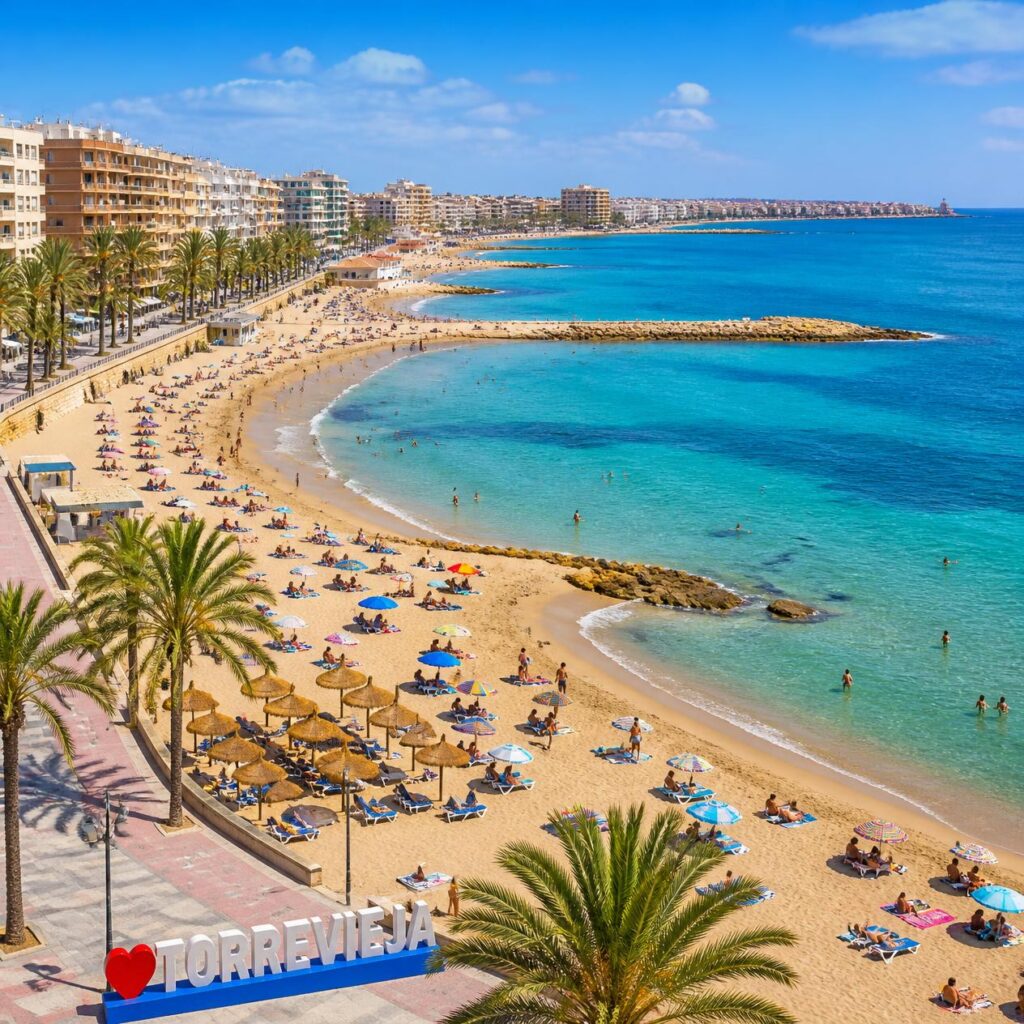
Torrevieja has several excellent beaches within easy reach of the city centre, each with a slightly different character.
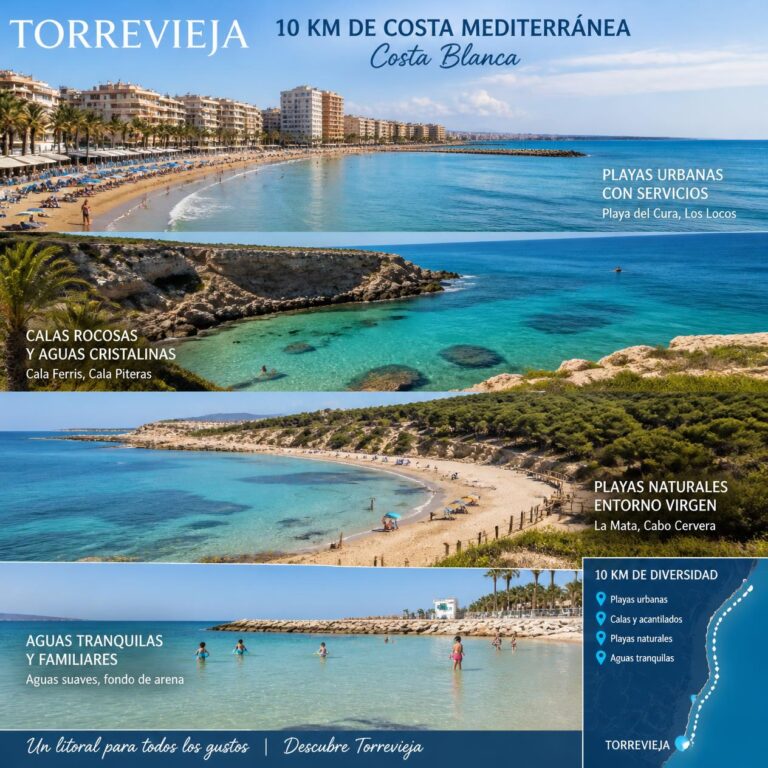
Playa del Cura is the main urban beach — wide, well-serviced, and just a short walk from the port and city centre. It has sunbed and parasol hire, showers, and several beach bars. Gets busy in summer but rarely feels overcrowded.
Playa de los Náufragos (Shipwreck Beach) is slightly further south and tends to be a little quieter. Named after a 19th-century shipwreck, it has fine golden sand and calm, shallow water that’s excellent for families with young children.
Playa de los Locos (Crazy Beach) is a local favourite — less touristy, slightly wilder in feel, and with some of the best sunsets in the area. There’s a small chiringuito (beach bar) that gets lively on summer evenings.
Cala Ferris is a small rocky cove south of the city, popular with snorkellers. The water is exceptionally clear and the surrounding cliffs make it feel hidden and peaceful.
La Mata beach is a long, wide stretch of sand 7 kilometres north of Torrevieja, bordered by the natural park. Less developed than the city beaches and beloved by those who prefer a more natural setting.
4. Shop at the Friday Market
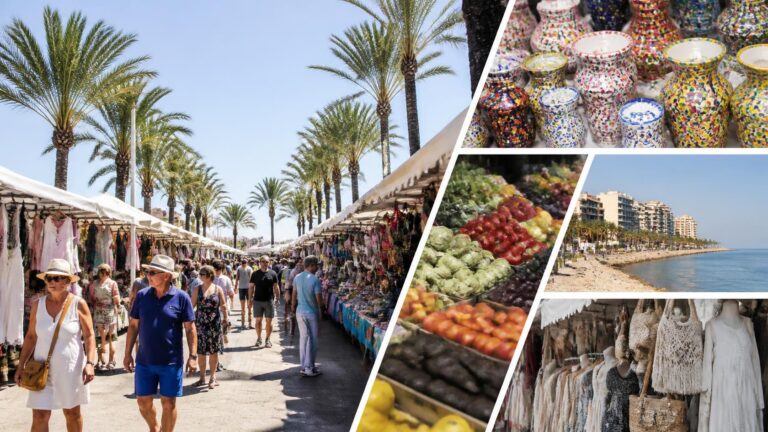
The Torrevieja Friday market is one of the largest outdoor markets on the Costa Blanca, held every Friday morning in the port area. It attracts thousands of visitors — locals, expats, and tourists — and sells everything from fresh produce and clothing to electronics, plants, household goods, and handmade crafts.
Arrive before 10am for the best selection and to avoid the midday heat in summer. The market wraps up around 2pm. There are food stalls and a relaxed atmosphere that makes it a great morning out even if you don’t plan to buy anything.
5. Walk the Seafront Paseo
Torrevieja’s seafront promenade (Paseo Vista Alegre and Paseo Juan Aparicio) stretches for several kilometres along the Mediterranean coast and is one of the city’s great pleasures. It’s lined with palm trees, benches, and a succession of cafés and restaurants, and it connects the main city beaches with the port area.
The walk from Playa del Cura to the port takes about 20 minutes at a gentle pace. In the evenings, the paseo fills with locals taking their evening stroll (the paseo), which is a quintessentially Spanish ritual worth experiencing.
6. Visit the Port and Marina
Torrevieja’s port is one of the most active on the Costa Blanca, combining a working commercial harbour with a leisure marina full of yachts and sailing boats. The area around the port has some of the best restaurants in the city, particularly for fish and rice dishes.
The port is also the departure point for boat trips along the coast, including excursions to see the pink lake from the water, dolphin-watching tours, and day trips to nearby coves and beaches.
7. Take a Boat Trip
Several companies operate boat excursions from Torrevieja port. The most popular options are:
Coastal cruises — relaxed 2-hour boat trips along the Costa Blanca coastline, often including stops for swimming in secluded coves not accessible by road.
Dolphin watching — trips heading out into the Mediterranean in search of common dolphins and bottlenose dolphins, which are frequently spotted in the waters between Torrevieja and Cabo Roig.
Sunset cruises — evening departures that combine coastline views with the spectacle of the sun setting over the Mediterranean. Usually includes a drink.
Prices typically range from €20–35 per person depending on the trip. Book at the port kiosks or in advance online in summer.
8. Try the Local Food and Restaurants
Torrevieja’s food scene is better than its reputation suggests. The city’s history as a fishing and salt-trading port means seafood is the real speciality, and a good meal here can be genuinely memorable.
What to eat:
Caldero — the local rice dish, unique to the southern Costa Blanca. Unlike paella, caldero is cooked in fish broth and served in two stages: the rice first, then the fish separately. Rich, intensely flavoured, and not to be missed.
Arroz a banda — rice cooked in fish stock, served with alioli. One of the classic dishes of the Alicante region.
Fresh fish and shellfish — grilled or baked, simply prepared. The fish auction (lonja) at the port means local restaurants get genuinely fresh catch daily.
Salazones — salt-cured fish, a tradition directly linked to the salt lakes. Mojama (salt-cured tuna) and salted roe are local delicacies served as starters.
Where to eat:
The best restaurants are clustered around the port area and along the seafront. Avoid the tourist menus on the main promenade and look for places where locals eat — usually slightly set back from the waterfront with handwritten specials boards.
9. Attend the Habaneras Festival
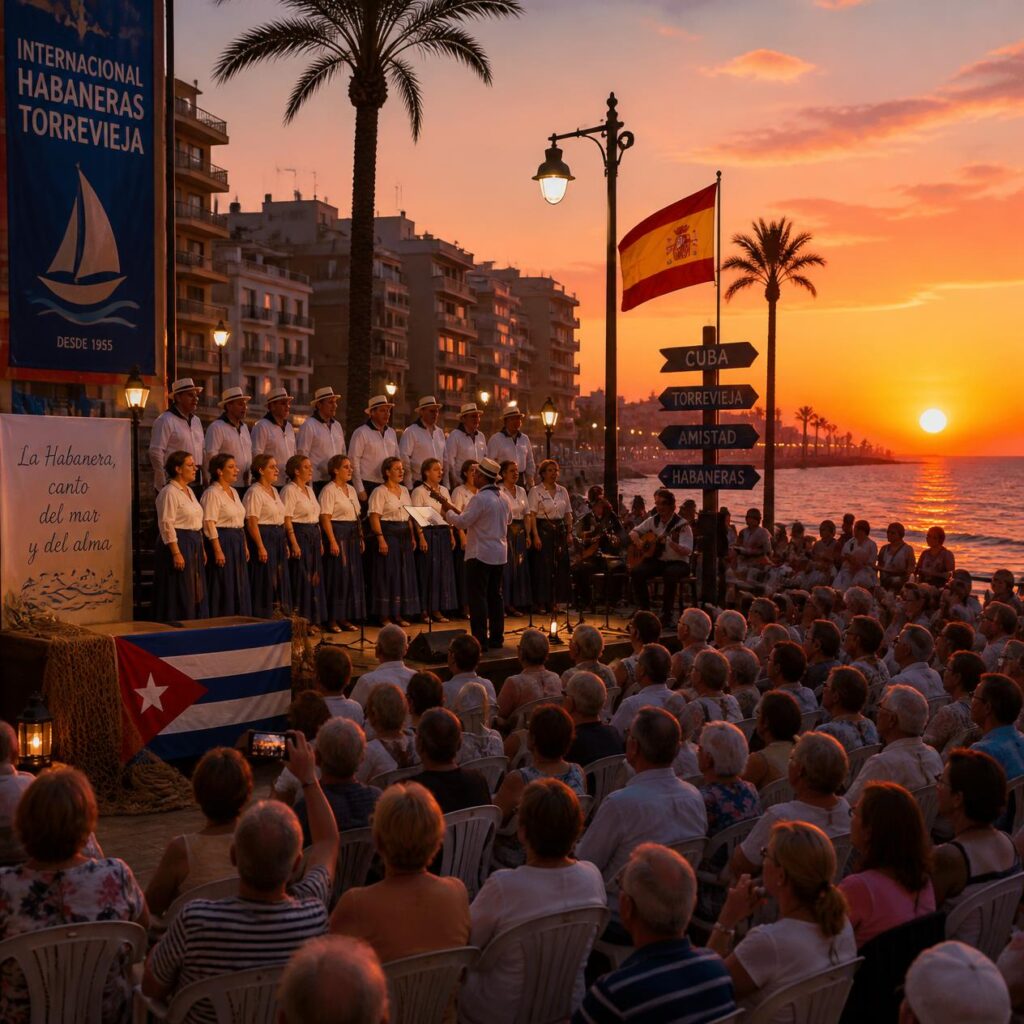
Every summer, usually in August, Torrevieja hosts the International Habaneras and Polyphony Contest — one of the most unusual and atmospheric cultural events on the Costa Blanca. Choirs from Spain, Cuba, and across the world gather to perform habaneras, a musical style that arrived in Torrevieja with sailors returning from Cuba in the 19th century.
Performances take place at the open-air Auditorio Internacional on the seafront, and the combination of music, sea air, and warm summer nights is genuinely magical. Tickets sell out fast — book well in advance if you want to attend. Free outdoor performances take place around the port during the festival week.
10. Explore the Torrevieja Old Town
The historic centre of Torrevieja is compact and easy to explore on foot. The main square (Plaza de la Constitución) is the social hub of the city, with the town hall on one side and a succession of bars and cafés on the others. It’s busiest in the evenings and on weekend mornings. Thinking of buying property in Torrevieja?
Notable buildings include the Iglesia de la Inmaculada Concepción, the city’s main church, and the Palacio Municipal. The covered market (Mercado Municipal) near the centre is worth a visit for fresh produce, local cheeses, and the atmosphere of everyday Spanish market life.
11. Visit the Casino and Cultural Spaces
The Casino de Torrevieja, housed in a beautiful 19th-century building on the seafront, is one of the city’s architectural highlights. Don’t be put off by the name — it functions primarily as a private social club and cultural centre rather than a gambling venue, and the building itself is worth seeing for its ornate interiors. Ask at the door about guided visits.
The Teatro Municipal (Municipal Theatre) hosts performances, concerts, and cultural events throughout the year, many at affordable prices. Check the programme at the tourist office or the town hall website.
12. Cycle or Walk the Natural Park Trails
The flat terrain around Torrevieja makes it ideal for cycling. The network of paths around the natural park, along the salt flats, and connecting the city to La Mata village and beach forms a pleasant 15–20 kilometre circuit that can be done comfortably in 2–3 hours.
Bikes can be hired from several shops near the port. Electric bikes are increasingly available for those who want to cover more ground with less effort.
13. Day Trips from Torrevieja
Torrevieja’s location on the southern Costa Blanca makes it an excellent base for day trips:
Orihuela (25 minutes by car) — a beautiful historic city with a Gothic cathedral, medieval old town, and the birthplace of poet Miguel Hernández. Far less visited than it deserves to be.
La Zenia Boulevard (20 minutes) — one of the largest outdoor shopping centres in the Valencia region, with over 150 stores. Good for a rainy day or if you need to stock up.
Guardamar del Segura (20 minutes north) — a quieter resort town with one of the longest natural beaches on the Costa Blanca, backed by a pine forest. Excellent for a day trip in early summer or September.
Cartagena (45 minutes south) — a Roman port city with spectacular ancient ruins, a naval museum, and an excellent food scene. One of the most underrated cities in southeast Spain.
Murcia city (50 minutes) — the regional capital, with a magnificent baroque cathedral, excellent tapas bars, and a lively university atmosphere.
Practical Information for Visitors
Best time to visit: May–June and September–October for warm weather without the summer crowds. July and August are peak season — busy, hot (35°C+), but full of atmosphere and events.
Getting around: The city centre is walkable. For beaches further out and day trips, a car is useful. Taxis are widely available and reasonably priced for short journeys.
Tourist office: The main tourist office is near the port and has maps, event listings, and helpful staff. Many speak English.
Language: Spanish is the main language. In shops, restaurants, and tourist areas, English is widely spoken — Torrevieja has one of the largest English-speaking expat communities in Spain.
Frequently Asked Questions
Is Torrevieja worth visiting? Yes — it’s often overlooked in favour of more famous Costa Blanca resorts, but Torrevieja offers genuine Spanish character, excellent beaches, unique natural attractions like the pink lake, and better value for money than many comparable destinations.
How many days do you need in Torrevieja? Two to three days is enough to see the main highlights. A week gives you time to explore at a relaxed pace, do a few day trips, and get a feel for daily life in the city.
Is Torrevieja good for families? Very much so. The calm, shallow beaches are excellent for young children, the natural park has easy walking trails, and the city is relaxed and safe. The water park (Aquopolis) is a popular option for families in summer.
Is Torrevieja safe? Yes, Torrevieja is generally a very safe city with low levels of serious crime. The usual precautions apply in busy tourist areas in summer — keep an eye on your belongings on the beach and in crowded market areas.
What is Torrevieja famous for? The pink salt lake, the habaneras music festival, the salt industry (one of the oldest in Europe), and its large international community of British, Scandinavian, and German residents.