The Pink Lake of Torrevieja: Everything You Need to Know
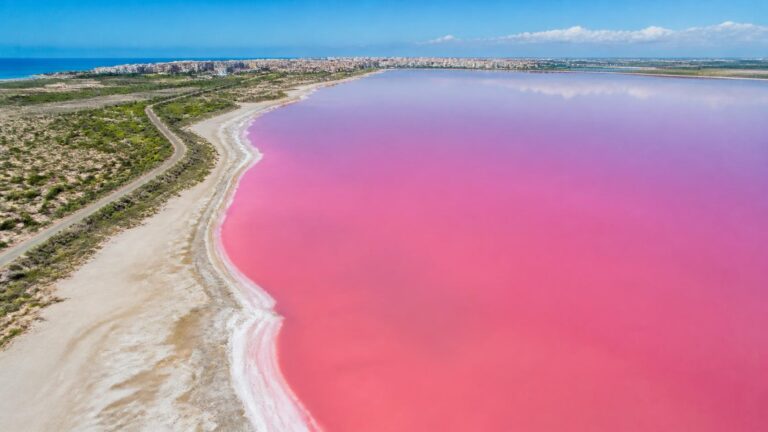
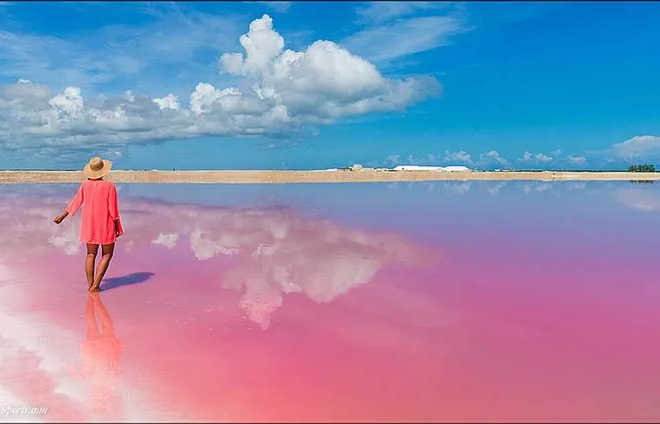
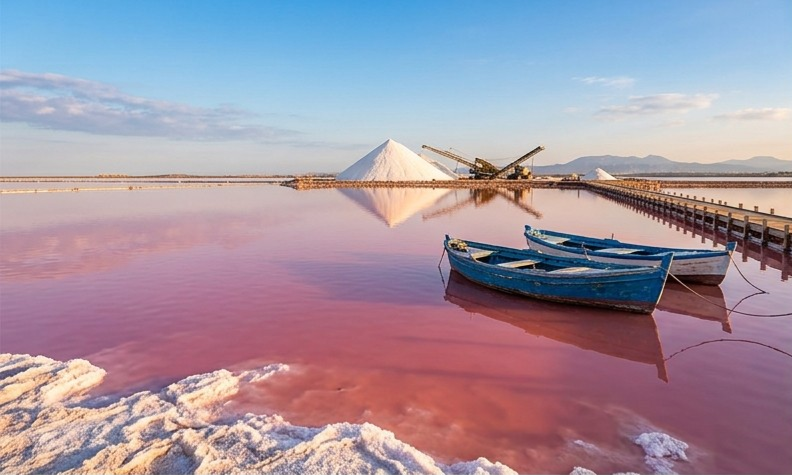
Torrevieja is home to one of Spain’s most striking natural wonders: a bright pink lake that sits right next to the Mediterranean Sea. Known locally as the Laguna Rosa or Lago Rosa, this extraordinary body of water turns a vivid shade of pink — and in peak conditions, almost red — thanks to the unique combination of salt, algae, and bacteria that thrive in its waters. If you’re visiting or living in Torrevieja, the pink lake is an absolute must-see.
Why Is the Lake Pink?
The colour comes from a microorganism called Dunaliella salina, a type of algae that produces a red-pink pigment called beta-carotene when exposed to high salt concentrations and intense sunlight. Torrevieja’s lake is one of the saltiest bodies of water in Europe, which creates the perfect conditions for this algae to flourish.
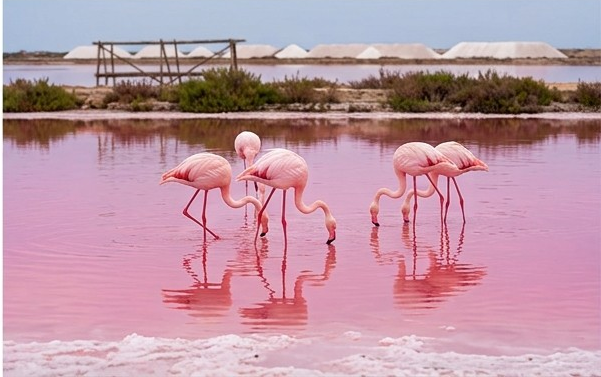
The same pigment is what makes flamingos pink — they eat the same algae and crustaceans that feed on it. And yes, you can sometimes spot flamingos and other wading birds around the lake, which only adds to the spectacle.
The intensity of the colour varies throughout the year. The lake is at its most vivid in late summer and early autumn — typically August to October — when temperatures are highest and the water is at its saltiest. In winter and spring, the colour fades to a pale rose or even greyish-white.
 Where Exactly Is the Pink Lake?
The pink lake is called the Laguna de Torrevieja, and it sits right in the heart of the city — you can see it from several points around town. It forms part of the Parque Natural de las Lagunas de la Mata y Torrevieja, a protected natural park that covers over 3,700 hectares and includes a second, larger lagoon called La Mata to the north.
Address for GPS navigation: Laguna de Torrevieja, 03181 Torrevieja, Alicante, Spain
The lake is easy to find — it’s literally impossible to miss if you’re driving through or around Torrevieja. The N-332 coastal road runs right along its southern and western edges.
How to Get to the Pink Lake
By car
The easiest way is by car. From the centre of Torrevieja, head south or west along the N-332 and you’ll see the lake within minutes. There are several spots along the road where you can pull over and take photos. There is free parking available near the lake viewpoints.
On foot or by bike
If you’re staying in the centre of Torrevieja, the lake is reachable on foot in about 20–30 minutes. There are walking and cycling paths that run alongside the salt flats and give excellent views of the water.
By public transport
There is no direct bus route to the lakeside viewing points, but the urban bus lines connect the city centre with areas close to the lake. From there it’s a short walk.
The Best Viewpoints
Not all spots around the lake offer the same views. Here are the best places to see and photograph the pink lake:
Mirador de la Laguna Rosa — The main official viewpoint, located on the western side of the lake along the N-332. This is the most photographed spot and gives you the classic view of the pink water with the city in the background. Free to access, open at all times.
The salt mountains viewpoint — On the southern edge, you can see the enormous white salt mountains that the industrial salt company Salinera Española has been building up for decades. The contrast between the pink water, white salt, and blue sky is extraordinary.
Aerial view — If you have a drone (check local regulations before flying), the aerial view of the lake is breathtaking. The colour contrast from above is even more dramatic than at ground level.
Can You Swim in the Pink Lake?
No. The Laguna de Torrevieja is an active industrial salt extraction site operated by Salinera Española, one of the largest salt producers in Europe. Swimming, entering the water, and walking on the salt flats are strictly prohibited. The salt concentration is so high that it would be harmful to skin and eyes, and the industrial operations make it dangerous.
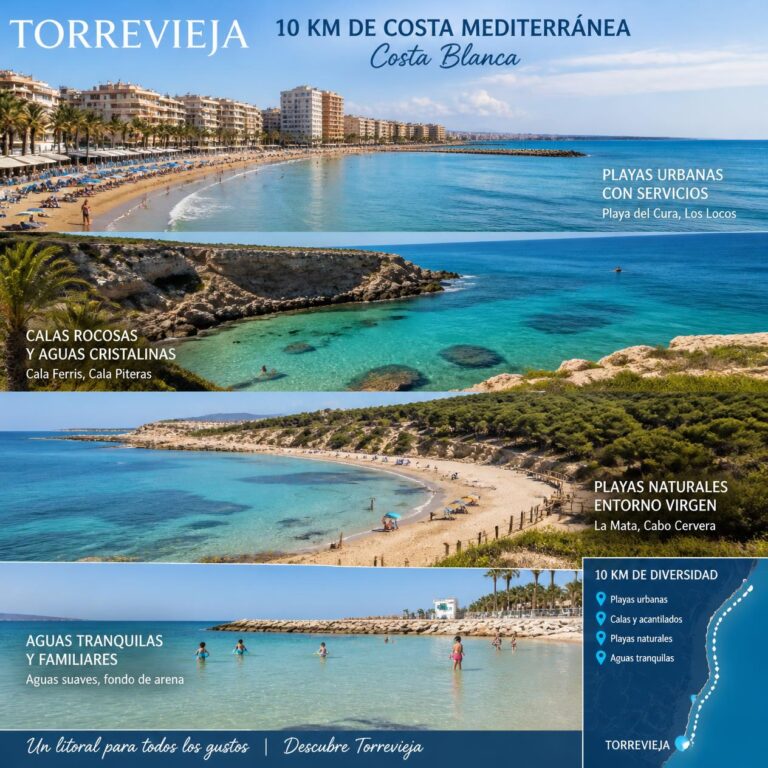
For swimming, Torrevieja has plenty of excellent beaches within minutes of the lake — Playa del Cura, Playa de los Náufragos, and Playa de los Locos are all close by.
The Salt Industry: A Brief History
The salt lake has been exploited commercially for over 2,000 years. During the 19th century, Torrevieja became one of the most important salt exporters in the world, shipping salt across Europe and to Cuba and the Americas. Ships would arrive loaded with goods and leave heavy with salt — it was this trade that brought the famous Cuban musical tradition of habaneras to Torrevieja, a legacy the city still celebrates every summer with an international habaneras singing competition.
Today, Salinera Española produces over one million tonnes of salt per year from the lake, exporting it to more than 50 countries. The salt is used for de-icing roads in northern Europe, food production, and industrial processes.
The Natural Park: More Than Just the Pink Lake
The Parque Natural de las Lagunas de la Mata y Torrevieja is worth exploring beyond just the pink lake viewpoint. The park covers two lagoons — Torrevieja in the south and La Mata in the north — connected by a canal, and the ecosystems around them support a remarkable variety of wildlife.
What you can see in the park:
- Flamingos, particularly in spring and autumn during migration
- Avocets, stilts, herons, and dozens of other wading bird species
- Chameleons (the park has one of the largest chameleon populations in Spain)
- Foxes, rabbits, and other small mammals along the walking trails
- Halophytic plants (species adapted to extremely salty soils) that turn vivid red and orange in autumn
Walking trails: The park has several marked trails of varying lengths. The most popular runs along the edge of the Laguna de la Mata and takes about 90 minutes at a gentle pace. The terrain is flat and suitable for all fitness levels.
Park visitor centre: There is an interpretation centre at La Mata where you can learn about the park’s ecology and history. It’s free to enter and worth a visit before heading out on the trails.
When Is the Best Time to Visit?
Best colour: August to October, when the lake is at its most vivid pink and sometimes turns almost red or deep magenta.
Best for wildlife: March to May (spring migration) and September to November (autumn migration) are the best times to spot flamingos and other migratory birds.
Best for photography: Early morning and late afternoon give the best light. The low sun creates a golden reflection on the pink water that is spectacular.
Avoid: Midday in July and August — the heat is intense and the light is harsh for photography. Temperatures regularly exceed 35°C.
Health Benefits of the Salt Air?
You’ll often hear locals and long-term residents claim that the salt air around the lake has therapeutic properties, particularly for respiratory conditions. While scientific evidence for this is mixed, Torrevieja has historically attracted people with asthma and bronchial conditions, and the city has a reputation as a healthy place to live. Whether it’s the salt air, the 320 days of sunshine per year, or simply the relaxed Mediterranean lifestyle, many people do report feeling better here.
Practical Information
Location: Laguna de Torrevieja, N-332, 03181 Torrevieja, Alicante Access: Free, open at all times (viewpoints from the road) Parking: Free parking available at the main viewpoints Nearest beaches: Playa del Cura (5 min), Playa de los Náufragos (7 min), Playa de los Locos (10 min) Natural park visitor centre: Calle Juan Bautista Lafora, La Mata, Torrevieja
Frequently Asked Questions
Is the pink lake always pink? No. The colour is most intense from August to October. In winter it can appear pale rose, white, or even grey depending on rainfall and temperature.
Can I walk around the lake? You can walk along the road and designated viewpoints, but entering the salt flats or the lake itself is prohibited. The natural park trails around Laguna de la Mata (the neighbouring lagoon) are open to the public.
Is there an entrance fee? No. Access to the viewpoints is completely free.
How long does a visit take? A quick stop at the main viewpoint takes 15–20 minutes. If you want to explore the natural park trails as well, allow 2–3 hours.
Can I visit with children? Absolutely. The viewpoints are accessible and the flat walking trails in the park are suitable for families with young children.
Are there flamingos at the lake? Yes, flamingos are regularly spotted at both Laguna de Torrevieja and Laguna de la Mata. Spring and autumn are the best seasons to see them in large numbers.
Getting There from Alicante
The pink lake is 45 kilometres south of Alicante city centre. By car, take the AP-7 motorway south and exit at Torrevieja. The journey takes about 40 minutes without traffic.
From Alicante Airport, the lake is even closer — approximately 35 kilometres, or 30 minutes by car.
There are regular bus services from Alicante bus station to Torrevieja operated by ALSA. The journey takes about 75 minutes and buses run several times daily. From Torrevieja bus station, the lake is reachable on foot or by local bus.